


Sleep is a fundamental aspect of our health, yet for many individuals, achieving a restful night’s sleep remains elusive. Conditions like sleep apnea, where breathing intermittently stops and starts during sleep, affect millions globally and can drastically impair quality of life. Thankfully, advancements in technology have introduced effective solutions such as sleeping machines, or more specifically, CPAP (Continuous Positive Airway Pressure) machines, which can significantly enhance sleep quality and overall health. This article will explore the myriad benefits of sleeping machines for sleep apnea treatment and illuminate how they can transform your nights into peaceful slumbers. The Interesting Info about 睡眠呼吸機.
Sleep apnea is a prevalent sleep disorder characterized by repeated interruptions in breathing during sleep. These pauses can result in restless nights and various health issues. The disorder primarily manifests in two forms: obstructive sleep apnea (OSA) and central sleep apnea. OSA is the more common type, occurring when the throat muscles relax intermittently, blocking the airway. This obstruction prevents airflow and can cause the sleeper to wake up abruptly, often with a gasp or snort. This cycle can repeat hundreds of times a night, severely disrupting sleep.
Central sleep apnea, on the other hand, differs as it involves the brain failing to send proper signals to the muscles that control breathing. This form is less common and can be associated with other health conditions such as heart failure or stroke. Regardless of the type, untreated sleep apnea can significantly impact an individual’s well-being, leading to chronic fatigue and other health complications.
The symptoms of sleep apnea are often overt, with loud snoring being the most recognizable sign. However, it’s not just the snorer who suffers; partners often experience sleep disruption due to the noise. Episodes of stopped breathing, observed by another person, are another critical symptom. These episodes are typically followed by abrupt awakenings, sometimes accompanied by gasping or choking sounds.
Beyond nighttime symptoms, sleep apnea can have significant daytime repercussions. Those affected frequently experience excessive daytime sleepiness, which can affect concentration and performance at work or school. Mood changes, including irritability and depression, are also common. If left untreated, sleep apnea can elevate the risk of serious health issues such as high blood pressure, heart disease, and stroke, underscoring the importance of seeking treatment.
Diagnosing sleep apnea typically involves a comprehensive evaluation by a healthcare professional. This may include a detailed medical history and a physical examination. Often, a sleep study, known as polysomnography, is conducted to monitor and record various bodily functions during sleep, such as brain waves, blood oxygen levels, and heart rate. Home sleep tests are also available for preliminary evaluations, though they may not capture as much detail as laboratory studies. Understanding the severity and type of sleep apnea is crucial for tailoring an effective treatment plan.
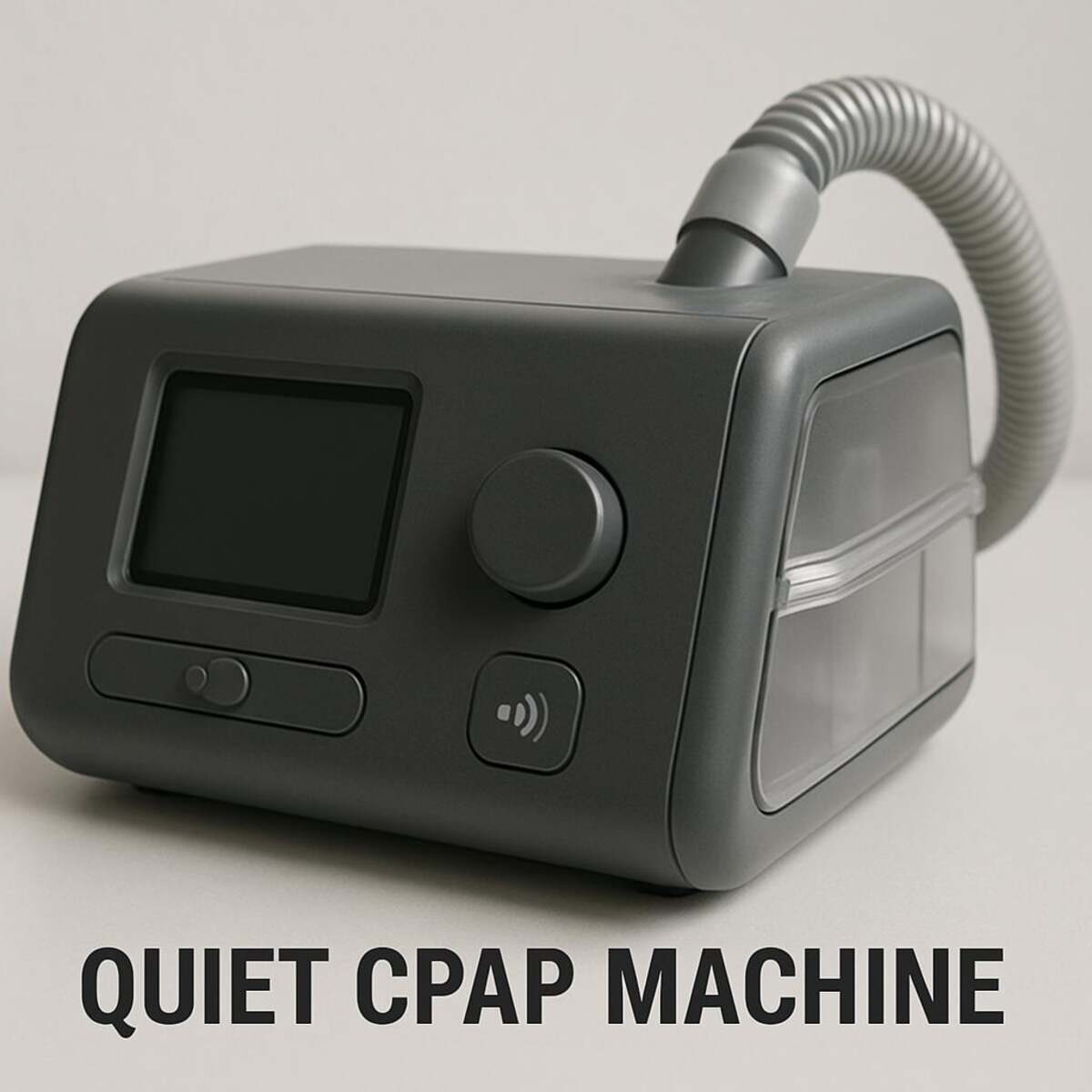
A CPAP machine is a leading device used to treat sleep apnea, designed to deliver a continuous stream of air through a mask worn over the nose and/or mouth. This constant airflow maintains open airways during sleep, preventing the pauses in breathing that characterize sleep apnea. The machine consists of a motor that generates airflow, a mask that fits over the nose or mouth, and a hose that connects the mask to the machine. By keeping the airway unobstructed, users can experience a significant reduction in apnea events and improved sleep quality.
In addition to CPAP, there are variations like BiPAP (Bi-level Positive Airway Pressure) machines, which provide two levels of pressure: one for inhalation and a lower one for exhalation. These machines are often recommended for individuals who have difficulty adjusting to CPAP or have specific breathing requirements.
- Improved Sleep Quality: CPAP machines help users achieve uninterrupted sleep by ensuring open airways throughout the night. This leads to deeper, more restorative sleep cycles, allowing users to awaken feeling refreshed and energized. The cumulative effect of better sleep quality is often evident in enhanced mood and cognitive function, making daily activities more manageable and enjoyable.
- Reduced Risk of Health Complications: Regular use of a CPAP machine can significantly lower the risk of health issues associated with sleep apnea. By preventing oxygen deprivation and reducing strain on the heart, CPAP therapy can help mitigate the risk of cardiovascular diseases, hypertension, and stroke, ultimately contributing to a longer, healthier life.
- Enhanced Daytime Alertness: With improved sleep quality, users often experience enhanced daytime alertness and concentration. This can lead to increased productivity at work or school and safer driving, as the risk of drowsy driving diminishes. Improved alertness also enhances social interactions and overall quality of life.
- Alleviation of Snoring: CPAP machines can significantly reduce or eliminate snoring, benefiting both the user and their sleeping partner. The reduction in snoring not only improves sleep quality for both parties but also relieves tension in relationships caused by disrupted sleep.
- Customizable Comfort: Many CPAP machines come equipped with features designed to enhance user comfort, such as adjustable pressure settings, humidity controls, and a variety of mask options. These features allow users to tailor their therapy to their individual needs, increasing the likelihood of adherence and long-term success.
- Support for Comorbid Conditions: For individuals with additional health conditions like obesity or diabetes, CPAP therapy can offer supportive benefits. Better sleep can improve metabolic function and support weight management efforts, creating a positive feedback loop for overall health improvement.
The journey to effective CPAP therapy begins with a proper diagnosis and prescription from a healthcare provider. After diagnosing sleep apnea through a sleep study, the provider will determine the appropriate pressure settings and type of machine needed. Users need to follow the provider’s instructions closely to maximize the benefits of the therapy. Understanding the importance of regular use and adherence to prescribed settings is crucial for experiencing the full spectrum of benefits CPAP therapy offers.
Selecting the right CPAP machine involves considering several factors such as the type of mask, machine size, and available features. Masks come in various styles, including nasal masks, full-face masks, and nasal pillows, each catering to different breathing patterns and comfort preferences. Machine features like heated humidifiers and data tracking can enhance the user experience. Heated humidifiers prevent dryness and irritation, while data tracking allows users and healthcare providers to monitor therapy effectiveness. Consulting with a sleep specialist can help in making an informed decision that aligns with personal needs and lifestyle.
Proper maintenance of a CPAP machine is critical for ensuring its effectiveness and longevity. Regular cleaning of the mask, tubing, and water reservoir is necessary to prevent the buildup of bacteria and other pathogens. Users should follow the manufacturer’s instructions for cleaning and replacing components like filters and cushions. Periodic checks for wear and tear can prevent unexpected breakdowns and ensure continuous, effective therapy. Establishing a regular cleaning routine can prolong the life of the machine and maintain optimal performance.
For many individuals, the cost of a CPAP machine and associated supplies can be a concern. However, most health insurance plans cover CPAP therapy when deemed medically necessary. Understanding insurance coverage and exploring options for purchasing or renting equipment can alleviate financial burdens. Many suppliers offer payment plans or financial assistance programs to support accessibility to necessary treatment.
Adapting to a CPAP machine can initially be challenging for new users. Common discomforts include the sensation of wearing a mask and getting accustomed to the airflow. Gradual adaptation can be facilitated by starting with short periods of use, such as during naps, to become accustomed to the sensation. Experimenting with different mask styles and sizes can also help achieve a comfortable fit. Support from healthcare providers and patient support groups can offer encouragement and practical tips for overcoming initial hurdles.
Users may encounter common issues such as mask leaks, dry mouth, or nasal congestion. Mask leaks can often be resolved by adjusting the fit or trying a different mask style. Dry mouth can be alleviated by using a machine with a humidifier or adjusting humidity settings. Nasal congestion can be addressed with saline nasal sprays or using a CPAP machine with heated humidification. Consulting with a healthcare provider can provide tailored solutions to these common challenges, ensuring sustained compliance with therapy.
The psychological adjustment to using a CPAP machine is an important aspect of successful therapy. Some users may feel self-conscious or anxious about using the machine, especially if they share a bed with a partner. Open communication with partners and seeking support from sleep health professionals can ease these concerns. Understanding the significant health benefits and prioritizing personal well-being can motivate continued use and adaptation.
Consistency in using a CPAP machine is the cornerstone of experiencing its full benefits. Regular use helps ensure better sleep quality and reduces the risk of health complications associated with sleep apnea. Establishing a nightly routine and maintaining a positive mindset about the therapy can enhance compliance. Understanding the long-term health benefits can motivate users to remain committed to their treatment plan, even during periods of adjustment.
Many modern CPAP machines are equipped with data tracking capabilities, allowing users and healthcare providers to monitor usage patterns and effectiveness. This feature enables adjustments to be made to pressure settings or mask types as needed, ensuring optimal treatment. Regular follow-ups with healthcare providers can help address any concerns and fine-tune therapy for improved outcomes. Engaging with data can empower users to take an active role in their health management.
Accessing support and resources can significantly enhance the CPAP therapy experience. Many healthcare providers offer educational materials and support groups for individuals undergoing CPAP therapy. Online communities and forums provide a platform for sharing experiences and advice, fostering a sense of community among users. Engaging with these resources can provide valuable insights and encouragement for staying committed to therapy.
Sleeping machines, particularly CPAP machines, offer a promising solution for individuals struggling with sleep apnea. By improving sleep quality and reducing health risks, these devices can significantly enhance quality of life. If you or a loved one is dealing with sleep apnea, consulting a healthcare professional about the potential benefits of a CPAP machine could be the first step toward better sleep and better health.
In summary, the journey to restful nights and healthier days begins with understanding the impact of sleep apnea and the life-changing potential of sleeping machines. Embrace the opportunity for a healthier future by exploring the benefits of CPAP therapy today. By prioritizing sleep health and leveraging modern technology, individuals can reclaim their nights and revitalize their days, paving the way for a vibrant, fulfilling life.
