


In a world dominated by high-definition graphics and immersive virtual reality experiences, text-based games might seem like a relic from the past. However, these games have not only survived but thrived, offering unique storytelling experiences that engage players’ imaginations in ways few other genres can. Whether you’re an aspiring novelist, a content marketer, or a graduate student, text-based games can offer a refreshing break from the usual and help you hone your writing skills in delightful ways. Let’s dive into the world of text-based games and see why they are perfect for all ages. To know more, check out newthingcreations.com
Table of Contents
What Are Text-Based Games?
Text-based games, as the name suggests, rely heavily on text for storytelling and gameplay. Think of them as interactive novels where you, the player, make decisions that affect the story’s outcome. These games range from simple text adventures to complex interactive fiction with intricate plots and character development.
The Evolution of Text-Based Games
Text-based games have evolved significantly since their inception. Initially, they were simple command-driven adventures, but over the years, they have developed into intricate stories with multiple endings and characters. This evolution has been driven by advances in technology and the creative ambitions of developers who have pushed the boundaries of storytelling.
The Power of Imagination
The charm of text games lies in their ability to create vivid mental images through descriptive writing, allowing players to imagine the world and its characters in their unique way. It’s like a choose-your-own-adventure book that comes to life, offering endless possibilities and replayability. The lack of visuals forces players to engage more deeply with the text, encouraging a more personal connection with the narrative.
Accessibility and Inclusivity
Text-based games are accessible to a wide audience, including those who may not have access to high-end gaming hardware. They can be played on virtually any device with a screen and a keyboard, making them inclusive. This accessibility opens up the genre to a broader audience, including those who may face barriers to other forms of gaming.
Why Play Text-Based Games?
Flex Your Creative Muscles
For aspiring novelists and content marketers, text-based games are a playground for creativity. They require you to think critically about plot development, character arcs, and dialogue. As you navigate the game’s narrative, you’ll find yourself inspired by the storytelling techniques and ideas that you can incorporate into your writing projects.
Developing Unique Storylines
Creating a text-based game involves crafting unique storylines that captivate and engage players. This process allows you to experiment with narrative structures and explore different genres, ultimately enhancing your ability to tell compelling stories in other forms of writing.
Crafting Compelling Characters
Text-based games provide an opportunity to delve deeply into character development. By creating diverse and multi-dimensional characters, you can explore different perspectives and motivations, enriching your understanding of character arcs and dynamics.
Enhancing Dialogue Skills
Writing dialogue for text-based games requires a keen ear for natural speech patterns and the ability to convey character through words alone. This skill is invaluable for any writer, as it helps create authentic and relatable conversations in any narrative format.
Learn to Simplify Complex Ideas
Graduate students, take note! Text games are excellent tools for learning how to break down complex theories into simple, understandable language. The ability to convey ideas clearly and concisely is a valuable skill in academic writing and beyond. By engaging with text-based games, you’ll practice simplifying complex scenarios in a way that’s engaging and easy to follow.
Translating Theory into Practice
Text-based games challenge you to apply theoretical knowledge in practical scenarios. This translation helps solidify your understanding of complex concepts by requiring you to explain them in straightforward terms that anyone can grasp.
Teaching Through Storytelling
Using storytelling as a teaching tool can make complex subjects more accessible. Text-based games allow you to weave educational content into a narrative, making learning an engaging and immersive experience.
Breaking Down Barriers to Understanding
By simplifying complex ideas, text-based games can help break down barriers to understanding. This skill is crucial not only in academic settings but also in professional environments where clear communication is essential.
Improve Decision-Making Skills
Text-based games often present players with choices that have significant consequences, teaching the importance of making well-considered decisions. This aspect of gameplay encourages you to think about the potential outcomes of your actions, a skill that’s particularly useful in both personal and professional contexts.
Analyzing Consequences
In text-based games, every choice matters. Players must consider the potential consequences of their actions, weighing the pros and cons before making a decision. This analytical process enhances critical thinking and decision-making skills.
Embracing Uncertainty
Text-based games often involve navigating uncertainty and ambiguity. By making decisions without knowing the full picture, players learn to embrace uncertainty and adapt to changing circumstances, skills that are valuable in real-world situations.
Learning from Mistakes
The non-linear nature of text-based games means that players often encounter setbacks and failures. These experiences teach resilience and the importance of learning from mistakes, encouraging a growth mindset.
Popular Text-Based Games to Try
Zork
One of the first text adventure games, “Zork,” is a classic that set the standard for the genre. The game invites players to explore a vast underground empire filled with puzzles and treasures. Its witty writing and challenging gameplay make it a must-try for anyone new to text-based games.
The Birth of a Genre
“Zork” is often credited with pioneering the text adventure genre. Its innovative use of text to create an immersive world laid the groundwork for countless future games, establishing many conventions that are still used today.
Engaging Puzzles and Challenges
“Zork” is renowned for its intricate puzzles that challenge players’ problem-solving skills. These puzzles require creative thinking and persistence, making the game both rewarding and intellectually stimulating.
A World of Exploration
The vast underground world of “Zork” offers endless opportunities for exploration. Players can wander through its many rooms and passages, uncovering hidden treasures and secrets along the way.
80 Days
Inspired by Jules Verne’s “Around the World in 80 Days,” this interactive fiction game allows players to take on the role of Passepartout, Phileas Fogg’s loyal servant. The game combines a beautifully written narrative with strategic decision-making as you race against the clock to circumnavigate the globe.
A Literary Adventure
“80 Days” draws heavily from its literary source material, offering players a chance to experience a classic story in a new and interactive way. The game’s narrative is rich with detail and authenticity, immersing players in the world of the novel.
Strategic Decision-Making
Players must carefully manage time and resources as they plan their journey around the world. This strategic element adds depth to the gameplay, requiring players to think critically about their choices and adapt to changing circumstances.
A Diverse and Dynamic World
“80 Days” features a diverse array of characters and locations, each with its own unique culture and challenges. This diversity enriches the gameplay experience, offering players a chance to explore different perspectives and learn about the world.
Lifeline
This game offers a unique twist on the text adventure format by using real-time interaction. You communicate with Taylor, an astronaut stranded on an alien moon, and guide them through life-or-death decisions. The game’s immersive storytelling and emotional depth make it an unforgettable experience.
Real-Time Engagement
“Lifeline” introduces real-time gameplay, where players receive messages from Taylor and must respond quickly. This immediacy creates a sense of urgency and immersion, drawing players deeply into the narrative.
Emotional Connection
The game’s storytelling fosters a strong emotional connection between the player and Taylor. As players guide Taylor through perilous situations, they become invested in the character’s fate, heightening the emotional impact of the game.
Innovative Gameplay Mechanics
“Lifeline” employs innovative mechanics that challenge traditional gaming conventions. The use of real-time interaction and decision-making offers a fresh and engaging experience, setting it apart from other text-based games.
Creating Your Own Text-Based Game
Feeling inspired? Creating your own text-based game can be a rewarding exercise that enhances your writing skills. Here are some steps to get you started:
Choose Your Story Idea
Start by brainstorming a basic plot or setting for your game. Consider what themes or messages you’d like to explore. Remember, the beauty of text-based games is their ability to tell any story, no matter how fantastical or grounded in reality.
Exploring Themes and Messages
Consider the themes and messages you want to convey through your game. Whether exploring social issues or personal growth, your game’s themes can add depth and meaning to the narrative.
Crafting a Unique Setting
The setting of your game is crucial for creating an immersive experience. Think about the world you want to build and how it will influence the story and characters. A well-crafted setting can enhance the player’s connection to the game.
Plotting the Story Arc
Outline the main plot points of your game, considering how player choices will affect the story’s direction. A well-structured plot will keep players engaged and invested in the narrative.
Develop Characters and Plot
Think about the characters you’ll include and their roles in the story. What are their motivations and backstories? Outline the main plot points and consider how player choices might influence the story’s direction.
Creating Compelling Characters
Develop characters with depth and complexity, considering their motivations, desires, and conflicts. Well-developed characters will resonate with players and drive the narrative forward.
Designing a Dynamic Plot
Design a plot that allows for player agency and choice. Consider how different decisions will lead to various outcomes, creating a dynamic and replayable experience.
Balancing Story and Gameplay
Strike a balance between storytelling and gameplay mechanics. Ensure that the narrative enhances the gameplay experience and vice versa, creating a cohesive and engaging game.
Write Interactive Content
Begin writing the game’s content, focusing on creating engaging descriptions and dialogue. Encourage player interaction by presenting choices that have meaningful consequences. Tools like Twine or Inform 7 can help you build your game without needing extensive programming knowledge.
Crafting Descriptive Narratives
Use descriptive language to create vivid imagery and immerse players in the game’s world. Strong descriptions will enhance the player’s connection to the narrative and enrich the overall experience.
Developing Interactive Dialogue
Write dialogue that feels natural and encourages player interaction. Consider how player choices will affect conversations and the overall story, creating a dynamic and engaging experience.
Utilizing Game Development Tools
Explore tools like Twine and Inform 7 to build your game. These platforms offer user-friendly interfaces that allow you to focus on writing and storytelling without needing extensive programming knowledge.
Test and Refine
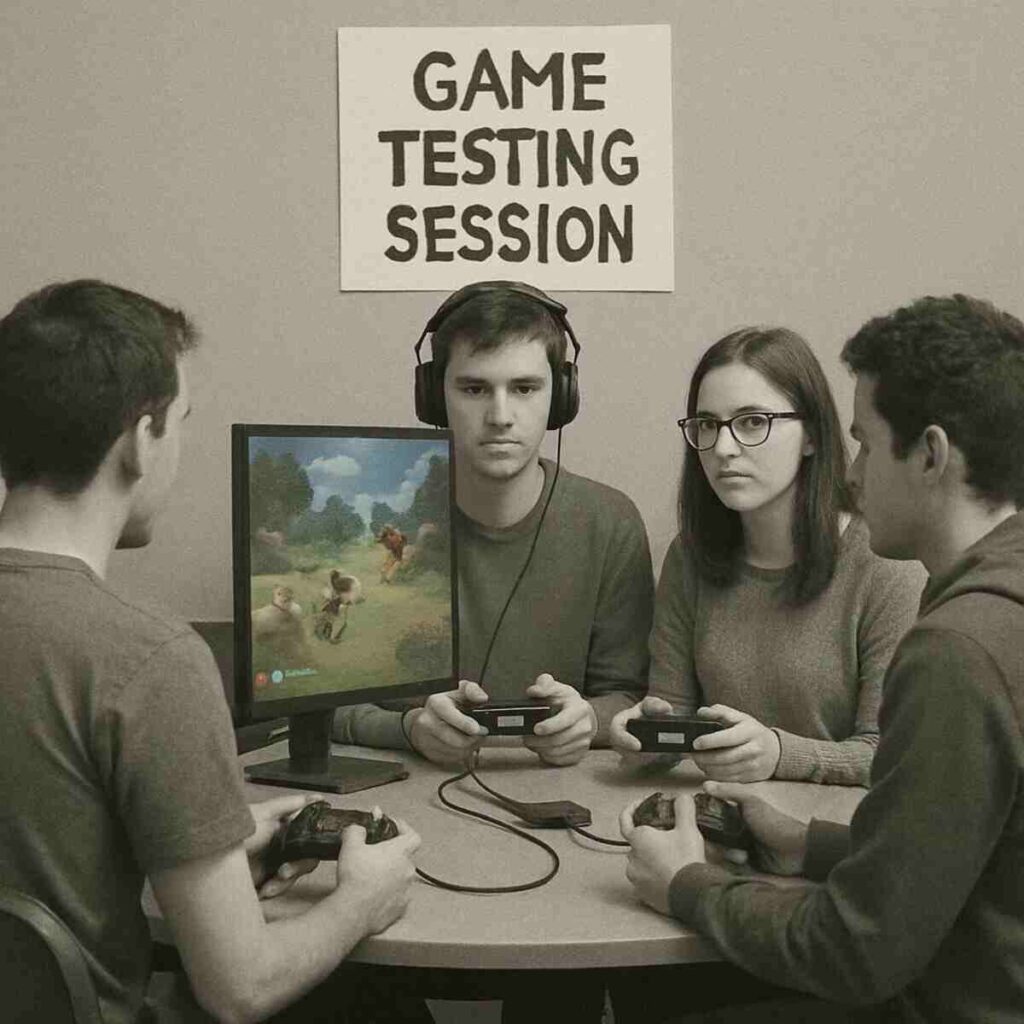
Once your game is written, test it with friends or fellow writers to gather feedback. Pay attention to areas where players might get stuck or confused, and make adjustments to improve the overall experience.
Gathering Feedback
Seek feedback from playtesters to identify areas for improvement. Constructive criticism can help refine your game and enhance the player’s experience.
Iterating on the Design
Use feedback to iterate on your game’s design, making adjustments to improve clarity, pacing, and engagement. Iteration is key to creating a polished and enjoyable game.
Enhancing Player Experience
Focus on enhancing the player’s experience by addressing any issues or challenges identified during testing. A smooth and enjoyable experience will keep players engaged and invested in the narrative.
The Takeaway
Text-based games offer a unique blend of entertainment and education, making them perfect for anyone looking to improve their writing skills or simply enjoy a captivating story. Whether you’re playing classics like “Zork” or embarking on your own game-creation journey, these games will challenge your creativity and expand your storytelling abilities. So why not give them a try and see where your imagination takes you?
Embracing the Power of Storytelling
In a world where visuals often overshadow words, text-based games remind us of the power of storytelling and the endless possibilities that lie within the written word. Embrace the challenge, and let your imagination run wild!
Expanding Your Creative Horizons
Playing and creating text-based games can expand your creative horizons, offering new perspectives and insights that can enhance your writing and storytelling skills in other areas of your life.
Building a Community
Engaging with text-based games can connect you with a community of like-minded individuals who share your passion for storytelling and creativity. Joining this community can offer support, inspiration, and collaboration opportunities.
