


Looking for a new card game that you can teach in two minutes and play with everyone from your kids to your grandparents? If you’re tired of complicated rules and just want some quick fun, you need to meet the Llama card game. It’s a game as quirky and simple as its name suggests, with a refreshing twist: you win by not scoring. Your entire goal is to get rid of all your cards and avoid collecting penalty points. To know more, check out qqdewa
The game’s appeal lies in this straightforward objective. Instead of a deep strategy, Llama is about pushing your luck and hoping you don’t get stuck holding the wrong cards when a round suddenly ends. It’s this simple, laugh-out-loud approach that has made it a favorite for family gatherings, positioning it among the best family card games available. In practice, the lighthearted tension creates memorable moments that don’t depend on a player’s age or gaming experience.
This guide will walk you through everything from the simple setup to how a turn works, the special role of the Llama card, how rounds end, and how to be the player with the fewest points to claim victory.
Table of Contents
What’s in the Box: Your Llama Game Toolkit
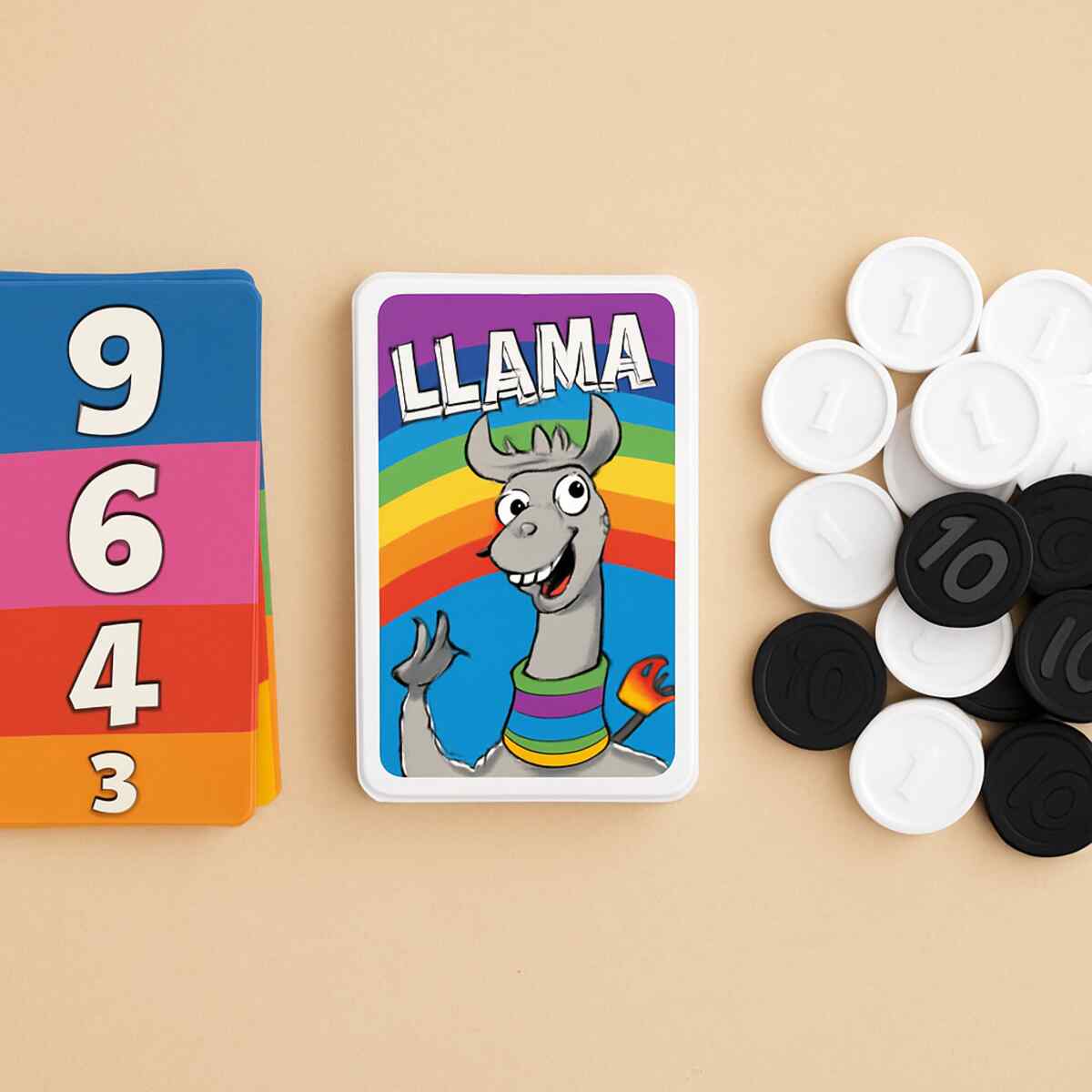
When you open up the Llama box, you’ll be greeted by a refreshingly simple set of game pieces. There are no complicated boards or tiny figures to worry about—just three core items that are the key to all the fun. You’ll find a colorful deck of cards and a pile of white and black chips. That’s it! This minimalist approach is a big part of what makes the game so quick to learn and easy to take anywhere.
The heart of the game is its quirky deck of 56 cards. It’s made up of just two types of cards, making it incredibly easy to see what you have at a glance:
- Number Cards: There are cards for numbers 1 through 6, with eight copies of each number.
- Llama Cards: There are also eight special (and very mischievous) Llama cards.
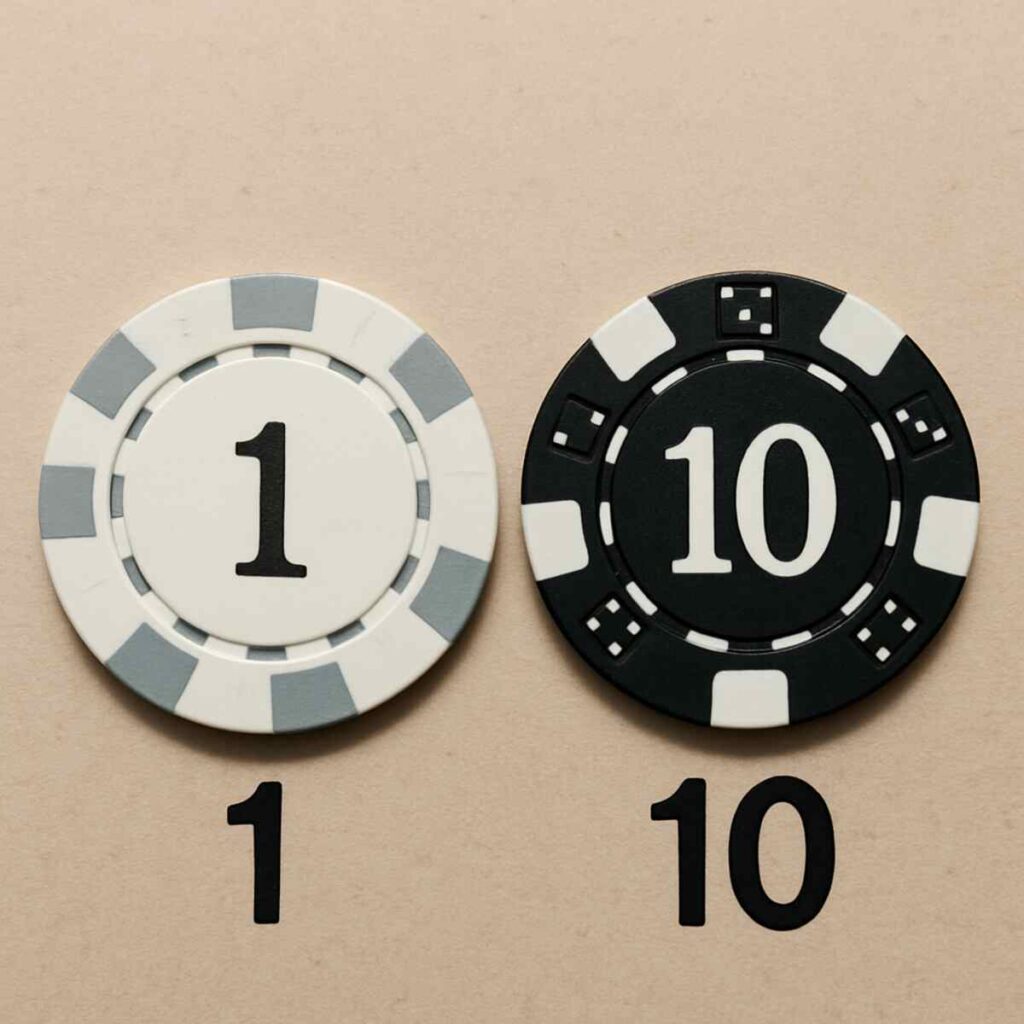
Finally, you have the point tokens. Think of these as penalty points you want to avoid at all costs. If you get stuck with cards in your hand at the end of a round, you have to take chips. The white chips are worth 1 point each, while the dreaded black chips are worth 10 points. The goal is to finish the game with the fewest points, so you’ll want to keep your pile of chips as small as possible
How to Set Up Your First Game in 60 Seconds
Ready to play? One of the best things about Llama is how quickly it gets to the table. You can go from opening the box to playing your first card in less than a minute, making it perfect for an impromptu game night. Here’s how simple it is.
First, give the entire deck of 56 cards a thorough shuffle. Deal six cards face down to every player. Each person can then pick up their cards to form their starting hand, which they should keep secret from everyone else. This is the group of cards they will try to get rid of during the round.
Now, take the stack of cards that are left over and place them face down in the middle of the table. This becomes your draw pile, where you’ll get new cards from during the game. To get the action started, simply flip the very top card of this pile face up right next to it.
That single face-up card you just placed is the beginning of the discard pile, which is where everyone will play their cards. And that’s it—you’re all set up! The player to the left of the dealer goes first, and now the fun really begins.
Your First Turn: The 3 Simple Choices You Can Make
Taking a turn in Llama is incredibly straightforward. Your entire goal is to get rid of the cards in your hand, and your main way to do that is by playing one. To play a card, you simply need to match the number on top of the discard pile or play a card that is exactly one number higher. For instance, if the top card is a “3,” you can legally play either another “3” or a “4.”
But what happens if you look at your hand and don’t have a card you can play? If you can’t make a legal move, you have to choose your second option: draw a card. You take the top card from the face-down draw pile and add it to your hand. Importantly, your turn ends immediately. You don’t get to play the card you just picked up, even if it would have been a perfect play!
There is also a third, unique choice you can make at the start of your turn. Instead of playing or drawing, you can choose to quit the round. To do this, you just place your hand of cards face down in front of you. You’re now “out” and can’t take any more actions until the next round begins. This is a strategic move to “freeze” your hand and avoid being forced to draw more cards if you feel your luck is about to run out.
On every turn, you make one of those three choices: play, draw, or quit. While these rules cover the number cards, the special Llama card adds a bit of chaos and changes everything.
The Llama Card: Your Best Friend and Worst Enemy
Among all the number cards, the Llama stands alone. It’s the game’s most powerful card, but you can’t just play it whenever you want. The only time you can legally play a Llama from your hand is when the card on top of the discard pile is either a “6” or another Llama. Think of it as your special escape hatch when the numbers get too high and you have nowhere else to go.
Playing a Llama card does more than just get a card out of your hand; it completely resets the flow of play. After a Llama is played, the very next player can start the count all over again by playing a “1” (or, if they’re feeling feisty, another Llama). This is a huge relief when everyone is stuck with high cards and can’t make a move, effectively giving the whole table a fresh start.
However, this helpful card comes with a massive risk. If a round ends and you’re caught with a Llama still in your hand, it’s not worth one point like the other cards—it’s worth a whopping ten penalty points. This turns the Llama into a hot potato that everyone is desperate to get rid of before they get burned. This high-stakes gamble is exactly what makes the end of every round so nail-bitingly fun.
How a Round Ends: Two Paths to Victory (or Defeat)
So, you’re playing cards, drawing cards, and trying to avoid getting stuck with that dreaded Llama. But when does it all stop? The most direct way a round ends is when one player triumphantly plays their very last card. The moment their hand is empty, play immediately halts for everyone. This is what you’re aiming for every single round—leaving your opponents frozen with a handful of penalty points while you have none.
Of course, things don’t always go so smoothly. A round can also end if everyone still in the game decides to quit. Imagine the top card is a “5” and the three players left are only holding “1s” and “2s.” Unable to play and unwilling to draw another card, they might all choose to quit one after another. Once the last active player quits, the round is over, and everyone is stuck with the cards they have.
Finishing a round by playing all your cards is the ultimate goal for one very important reason. Besides avoiding points for the cards you were holding, you also get a special reward: you can return one penalty chip you’ve already collected (either a 1-point or a 10-point chip) to the supply. It’s the only way to reduce your score!
Counting the Damage: How Llama’s Scoring System Works
When a round ends, it’s time to face the music. Everyone who still has cards reveals their hand, and you’ll tally up penalty points. In Llama, points are a bad thing, and you take them in the form of chips. The less you collect, the better off you are.
Counting your points is refreshingly simple, and there are only two things to remember. Look at the cards you were caught holding:
- Each number card (1 through 6) is worth 1 point. It doesn’t matter if it’s a ‘1’ or a ‘6’—they’re all just one point against you.
- Each Llama card is worth a whopping 10 points. This is the card you want to avoid getting stuck with at all costs!
For example, if you’re left holding a ‘2’, a ‘5’, and a Llama, you’ve earned 12 penalty points for the round (1 + 1 + 10).
You’ll collect your points in the form of chips: small white chips are worth 1 point, and larger black chips are worth 10. For those 12 points in our example, you would take one black chip and two white ones. This is why emptying your hand is so powerful. Not only do you avoid taking any new chips, but you also get to return one you already collected. Getting to toss a 10-point black chip back into the supply can be a game-changing move that pulls you back from the brink of losing
The Big Decision: When Should You Quit a Round?
Sooner or later, you’ll find yourself staring at your hand with no playable cards. This is where Llama’s most interesting decision comes in: do you draw a new card, or do you quit the round? Choosing to quit isn’t giving up; it’s a strategic move to control how many penalty points you take. Knowing when to quit is a key part of the winning strategy for the Llama game, turning a moment of bad luck into a smart play.
The decision is all about risk. Drawing a card is a gamble. You might draw the perfect card to keep playing, but you could just as easily draw a Llama and add ten points to your hand. Quitting, on the other hand, lets you cut your losses. Imagine you’re only holding a single ‘3’ card. If you quit, you lock in just one penalty point for the round. If you risk drawing, you could end up with a much worse hand and a handful of point chips.
A good rule of thumb is to consider how many points you’re already holding. If you only have one or two low cards, quitting is often the safest and smartest choice. Why risk a ten-point Llama card for a chance to save one or two points? This simple, push-your-luck choice is part of what makes the game so engaging and different from other casual card games you might have on your shelf, such as Uno.
Llama vs. Uno: Which Quick Card Game is Right for Your Group?
Many people see a colorful card game about getting rid of your hand and immediately think of Uno. While the Llama card game shares that simple goal, the feeling of playing is surprisingly different. The choice between Llama vs. Uno really comes down to what kind of fun your group enjoys: directly competing with each other, or taking a collective, lighthearted risk together.
Uno is famous for its “take that!” moments, like hitting someone with a Draw 4 card right before they go out. The fun often comes from foiling another player’s plans. Llama, on the other hand, has almost no direct attacks. The tension comes from your own choices. When you can’t play a card, the drama isn’t about what another player did to you, but whether you should risk drawing a high-point card or quit the round to play it safe.
In terms of rules, Llama is even more streamlined. While Uno has Skips, Reverses, Wilds, and Draw cards to remember, Llama really only has one special card to learn. This simplicity makes it one of the best family card games like Llama because you can explain it in under a minute. There are fewer things to track, which means less time spent asking “What does this card do?” and more time laughing.
Ultimately, if your group enjoys friendly rivalries and ganging up on the leader, Uno is a classic for a reason. But if you’re looking for something with less conflict and more silly, shared moments of suspense, the Llama game is a fantastic choice. This low-stress, easy-to-learn nature makes it a perfect fit for a wide range of players, especially when you have younger kids or non-gamers at the table.
Is the Llama Game Good for Kids and Non-Gamers?
Absolutely. When people ask, “Is the Llama game good for kids?” the answer is a resounding yes. Its official age recommendation is 8+, but because the rules only involve matching numbers or playing the next one up, children as young as six can easily join in. This makes it one of the best family card games for bridging age gaps. More than just fun, it subtly reinforces number recognition and introduces the basic concept of risk versus reward. Deciding whether to draw a card or quit the round is a light, no-pressure way for kids to start thinking strategically.
The game’s appeal extends far beyond just children. Its true magic lies in its accessibility for mixed groups, especially those with friends or family who don’t normally play modern games. There are no complicated special powers to memorize and, most importantly, no direct “take-that” attacks that can make new players feel targeted. The tension is light and shared, creating laughter instead of frustration. This design philosophy is a hallmark of many Reiner Knizia board games, which are celebrated for their elegant simplicity and broad appeal.
Llama succeeds because it removes the barriers that often keep people away from the game table. You can teach it in 60 seconds, a round takes just a few minutes, and the goal is immediately understood by everyone. It creates an environment where a grandparent, a teenager, and a friend who “doesn’t like games” can all sit down and share a genuinely fun experience. This remarkable flexibility makes it a go-to choice for almost any gathering, large or small.
How to Play Llama with Just Two Players
While Llama is fantastic with a bigger group, what happens when it’s just you and a friend? Good news! The llama game for 2 players is just as much fun with one simple, but crucial, twist. In a two-player game, the option to quit the round is completely removed. You must either play a legal card or draw a new card on your turn. You are both in it until one of you runs out of cards!
This single change transforms the game into a much more tense, head-to-head duel. With no easy way out, you can no longer cut your losses if you’re dealt a bad hand. You have to push your luck and play through, hoping your opponent is the one who gets stuck with high-value cards or the dreaded Llama. Every card you play directly affects the only other person at the table, making each decision feel more impactful.
Beyond that one key adjustment, every other rule in this llama game variation remains the same. You still score points for cards left in your hand, and the Llama is still worth a painful ten points. This simple but effective change makes the game a fantastic, fast-paced option for couples, partners, or any duo looking for a quick and surprisingly competitive match.
Ready for More? A Quick Look at the Llama Drama Expansion
Once you’ve mastered the delightful simplicity of Llama, you might find yourself ready for a fresh twist. For those moments, the game’s designer, Reiner Knizia, created an add-on called the Llama Drama expansion. It’s designed for players who love the base game but want to add a dash of new strategy without piling on complicated instructions, keeping the spirit of fun that defines Reiner Knizia board games.
The expansion introduces a set of pink cards—duplicates of every card in the base deck—and one simple new ability called the “plus” rule. This is the core of the llama drama expansion rules: if you play a card, you can immediately play another card of the same value right on top of it. For example, if you play a ‘4’, you can instantly play a second ‘4’ from your hand in the same turn, helping you empty your hand twice as fast.
This “plus” rule adds a fantastic new layer of choice. Suddenly, holding duplicate numbers is a powerful advantage, giving you a new way to get out of a tight spot or even win the round unexpectedly. It makes the game slightly more strategic while ensuring the core llama card game rules remain just as easy and accessible. It’s the perfect next step for families and friends who are ready for a little extra drama.
Your First Game of Llama: A 5-Step Quick-Start Guide
Now that you understand the rules and the simple, laugh-out-loud fun at the heart of the game, here’s a final quick-start guide to make your first round a breeze.
Your Llama Game Cheat Sheet:
- Deal 6 cards to each player.
- On your turn: Play a card (same number or one higher), draw a card, or quit the round.
- Use Llama cards on a ‘6’ to reset the pile.
- When the round ends, count points for cards in your hand (1 per number, 10 for a Llama!).
- The first person to hit 40 points loses—everyone else wins!
That’s it! You’re ready. The best winning strategy for the Llama game isn’t about complex tactics—it’s about pushing your luck, reading the room, and sharing a laugh when someone gets stuck with that last card. Grab your game, gather your friends, and get ready to dodge those Llamas!
