


Every day, we plug more devices into our homes. From high-definition televisions and smart refrigerators to electric vehicles and advanced HVAC systems, our reliance on electricity has never been greater. Yet, while we eagerly upgrade our smartphones and appliances, we often neglect the very heartbeat of our home’s power supply: the electrical panel. Choose the best EV charger installation Littleton CO.
If your home is more than a couple of decades old, there is a strong chance that your electrical infrastructure is struggling to keep up with the demands of modern life. An outdated panel isn’t just an inconvenience that limits how many appliances you can run simultaneously; it can be a severe fire hazard. Investing in an electrical panel upgrade is one of the most crucial home improvement projects you can undertake, offering profound benefits ranging from enhanced safety to increased property value.
In this comprehensive guide, we will explore everything you need to know about modernizing your home’s power supply. We will cover the crucial warning signs of a failing system, the costs involved, the latest technological advancements, and why bringing your home up to modern standards is a non-negotiable aspect of responsible homeownership.
Table of Contents
1. Understanding the Heart of Your Home: The Electrical Panel
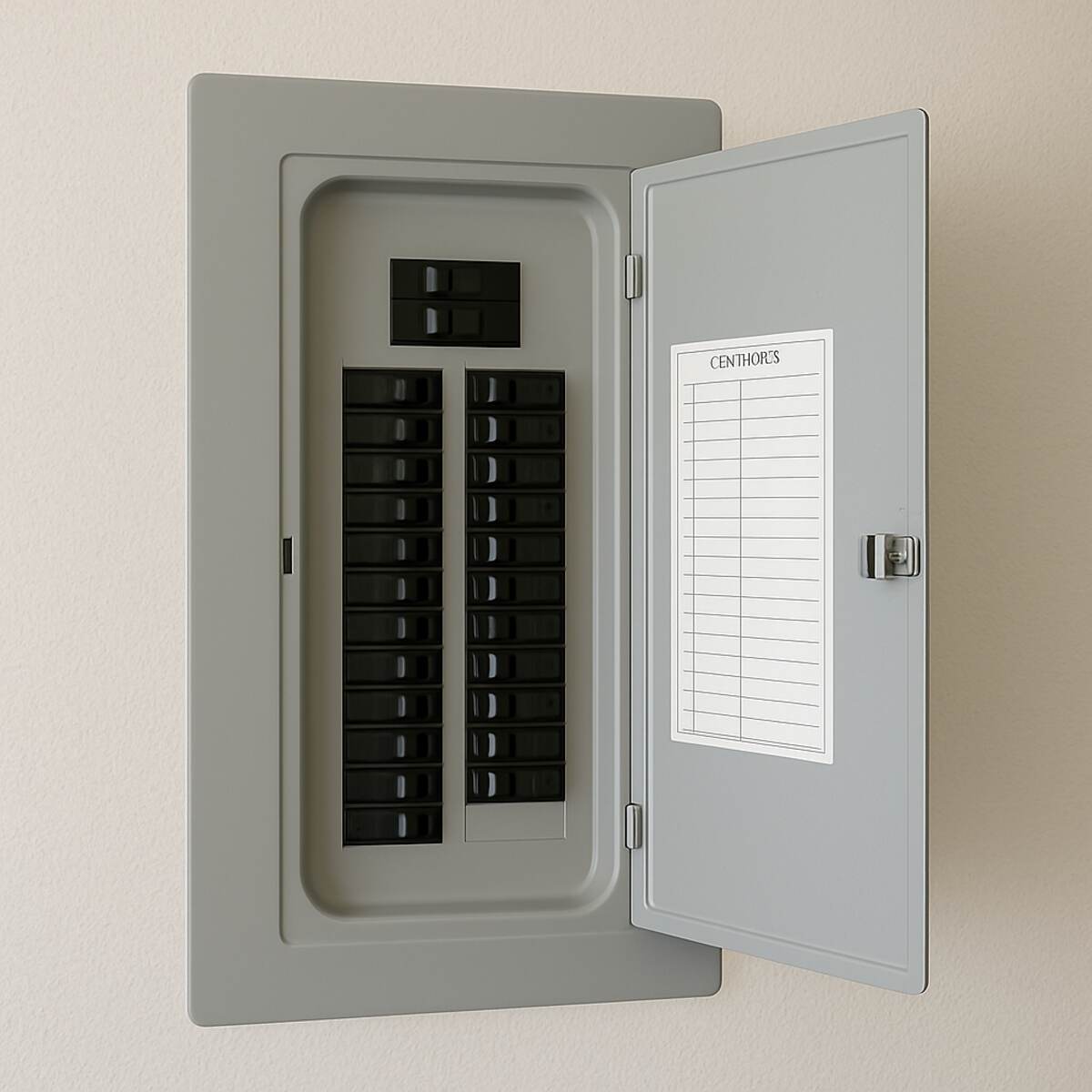
Before diving into the benefits of upgrading, it is essential to understand what an electrical panel does. Often referred to as a breaker box, distribution board, or load center, this metal box is the vital link between the external power grid and your home’s internal wiring.
When power from your utility company enters your property, it flows through the meter and straight into the main breaker panel. From there, the panel divides the electrical current into secondary circuits, routing power to your lights, outlets, and heavy appliances. Each of these circuits is protected by a breaker (or in older homes, a fuse) designed to “trip” or blow if the circuit draws more power than it can safely handle.
When your panel is outdated or damaged, this safety mechanism is compromised. An electrical panel replacement ensures that your home can not only handle your daily power consumption but also reliably sever the power supply during a fault, preventing overheated wires and potential electrical fires.
2. The Unignorable Signs You Need a New Circuit Breaker Box
Many homeowners operate under the “if it isn’t broke, don’t fix it” mentality. However, when it comes to electricity, waiting for something to break often means waiting for a dangerous incident to occur. Knowing the signs you need a new circuit breaker box can save your property and your life.
Here are the most critical red flags indicating that an upgrade is overdue:
Age of the Home and Panel
Electrical panels are robust, but they do not last forever. The average lifespan of a residential circuit breaker panel is between 25 and 40 years. If your home was built before 1990 and the panel has never been replaced, it is time for a professional inspection.
Frequent Tripping and Performance Issues
Breakers are designed to trip to protect you, but they shouldn’t do it constantly. If you find yourself frequently walking to the garage or basement to reset a breaker, your system is crying out for help. Specifically, experiencing flickering lights and tripping circuit breakers whenever you turn on a microwave or a vacuum cleaner is a definitive sign that your panel lacks the capacity to handle your current electrical load.
Strange Odors, Sounds, and Heat
Electricity should be seen (via lights and appliances) but never heard or smelled.
- Burning Smells: An acrid, fishy, or burning plastic smell coming from your outlets or the panel itself indicates melting wire insulation. This is an immediate fire hazard.
- Buzzing or Hissing: A faint hum is normal, but loud buzzing or crackling sounds point to a loose connection or a failing breaker arcing electricity.
- Warmth: Place your hand on the metal door of your panel. It should be room temperature. If it is warm or hot to the touch, the breakers are overloaded and failing to trip.
Visible Rust or Water Damage
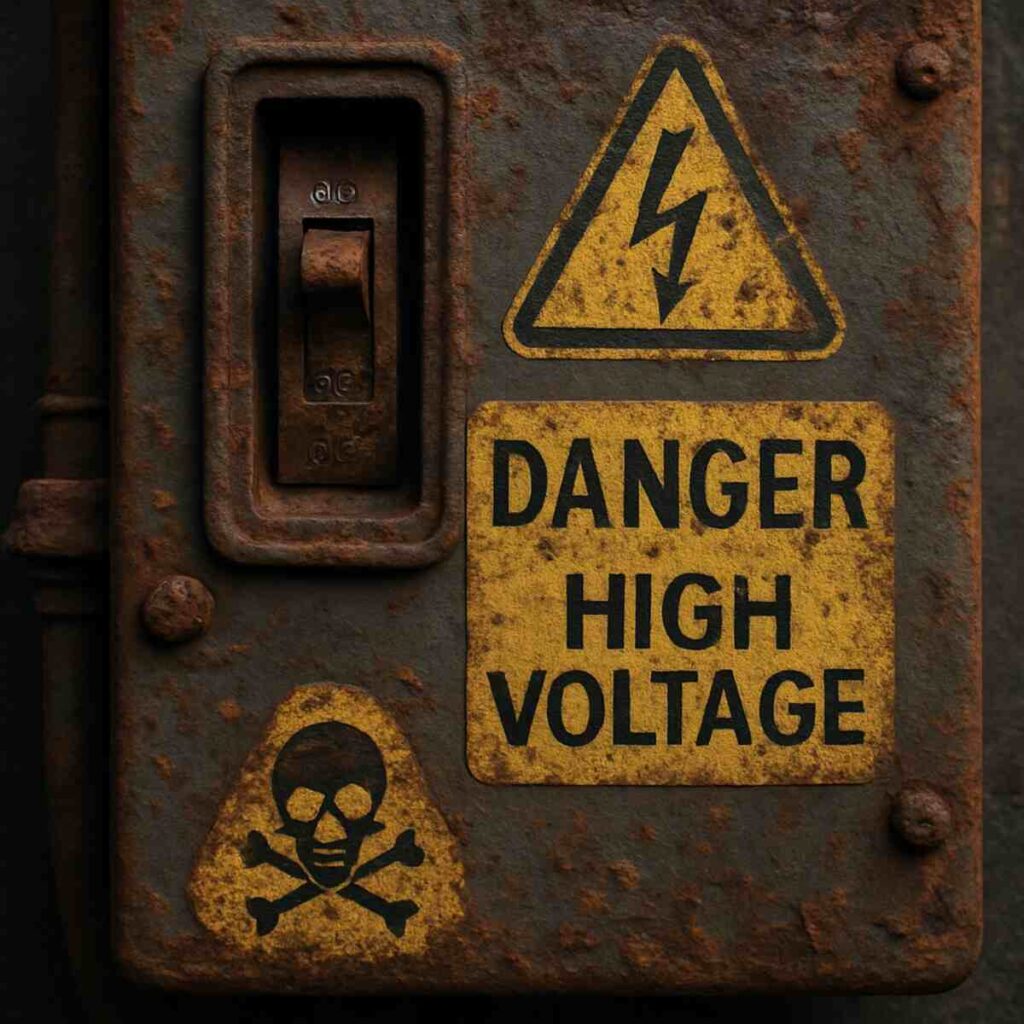
Electricity and water are a lethal combination. If you see rust on the metal box or white chalky corrosion on the breakers themselves, moisture has breached the panel. This compromises the mechanical parts inside the breakers, meaning they might not trip when an overload occurs.
3. Capacity Matters: The Difference Between 100 Amp and 200 Amp Service
One of the primary reasons homeowners pursue an electrical service upgrade is to increase their home’s total power capacity. The capacity of your electrical service is measured in amperes, or “amps.”
Understanding the difference between 100 amp and 200 amp service is crucial for modern home planning.
100 Amp Service: The Relic of the Past
Decades ago, a 100 amp panel was considered more than sufficient. Homes had basic lighting, a refrigerator, a television, and perhaps a window air conditioning unit. Today, 100 amps is considered the absolute minimum standard by the National Electrical Code (NEC) for a modern home, but in practical terms, it is rarely enough.
If you have a 100 amp panel, you likely have to perform “appliance calculus” daily—making sure not to run the dryer while the oven is on, or turning off the space heater before using the hair dryer.
200 Amp Service: The Modern Standard
Today, standard 200 amp service installation is the benchmark for modern residential living. A 200 amp panel provides double the capacity, allowing your home to comfortably support concurrent high-draw appliances.
Why 200 Amps is Necessary Today:
- Central HVAC Systems: Modern heat pumps and central air conditioning require massive amounts of startup energy.
- Electric Kitchens: Induction cooktops and double wall ovens demand dedicated high-capacity circuits.
- Home Office Setups: Multiple monitors, high-end computers, and server racks add significant continuous loads.
- Electric Water Heaters and Dryers: These appliances are notoriously power-hungry.
Upgrading to 200 amps gives you the “headroom” to run your home safely and efficiently without worrying about blowing a main fuse or overloading the system.
4. How to Tell if Your Electrical Panel is Overloaded
Even if you aren’t experiencing catastrophic failure, your system might be quietly struggling. Knowing how to tell if your electrical panel is overloaded involves looking out for a combination of physical symptoms and performing a basic load calculation.
Symptom Checklist:
- Dimming Lights: When the AC compressor kicks on, do the lights in the living room dim significantly? This voltage drop means the panel is struggling to supply adequate power to all circuits simultaneously.
- Melted Wires: If an electrician opens your panel and finds discolored or melted insulation on the neutral or ground wires, the panel has been running beyond its safe capacity for an extended period.
- Use of Power Strips: If you rely on power strips and extension cords in every room because you don’t have enough dedicated outlets or circuits, your panel is technically inadequate for your needs.
The Math Behind the Load
Electricians perform a “residential load calculation” to determine if your panel is overloaded. They add up the wattage of all your fixed appliances (HVAC, water heater, range), add a buffer for general lighting and small appliances, and divide by the voltage (usually 240V). If the resulting amperage is higher than your panel’s rating (e.g., pulling 130 amps on a 100 amp panel), you are severely overloaded.
5. Integrating the Future: Installing an EV Charger on Existing Service
The transition to electric vehicles (EVs) is accelerating globally. One of the most common catalysts for a panel upgrade today is the need to charge a car at home.
Many homeowners wonder about installing an EV charger on existing service. If you have an older 100 amp panel, installing a Level 2 EV charger (which typically requires a dedicated 40 to 60 amp 240-volt circuit) is usually mathematically impossible without overloading the main breaker.
Attempting to add a 50-amp EV charger to a maxed-out 100-amp panel will result in the main breaker tripping the moment your car starts charging while the AC is running.
By upgrading to a 200 amp panel, you create the dedicated space and capacity required for a Level 2 charger. This allows you to charge your electric vehicle overnight in a fraction of the time it takes using a standard 120-volt wall outlet, ensuring you wake up to a full battery every morning without compromising the safety of your home.
6. The Evolution of Safety: Fuse Box vs Circuit Breaker Panel
If your home still relies on a system with small, circular glass screw-in fuses, you are living with drastically outdated technology. Understanding the debate of fuse box vs circuit breaker panel is vital for older homes.
The Fuse Box
Fuses were the standard until the 1960s. A fuse contains a small piece of metal that melts (blows) when an overload occurs, breaking the circuit.
- The Problem: Fuses are a one-time-use item. Once they blow, they must be physically replaced. Furthermore, older fuse boxes were rarely rated for more than 60 amps.
- The Danger: Frustrated homeowners frequently bypassed safety protocols by replacing blown 15-amp fuses with 20-amp or 30-amp fuses (or dangerously, sticking a copper penny behind the fuse). This allows wires rated for 15 amps to carry 30 amps, turning the wiring inside the walls into a glowing hot heating element and sparking catastrophic fires.
The Circuit Breaker Panel
Modern breakers use internal bi-metal strips or electromagnets to detect overloads. Instead of melting, they simply click to the “off” position.
- The Benefit: They are reusable; you simply flip the switch back on. More importantly, they are highly standardized and tamper-resistant, making it much more difficult for a homeowner to inadvertently allow an overcurrent situation.
Replacing a fuse box with a modern circuit breaker panel is an absolute necessity for modern electrical safety and usability.
7. Beware the Ticking Time Bombs: Common Hazardous Electrical Panel Brands
Not all circuit breaker panels are created equal. In the mid-to-late 20th century, a massive construction boom led to the mass installation of certain electrical panels that were later discovered to be fundamentally flawed and incredibly dangerous.
If you have one of these common hazardous electrical panel brands, immediate replacement is highly recommended by every reputable electrician and fire marshal in the country.
Federal Pacific Electric (FPE) Stab-Lok Panels
Installed in millions of homes between the 1950s and 1980s, FPE panels are arguably the most notorious. Investigations and independent testing proved that FPE Stab-Lok breakers fail to trip during an overload at an alarming rate (up to 25% of the time). In some cases, the breakers would physically jam, allowing massive amounts of current to flow until the wires caught fire.
Zinsco Panels
Popular in the 1970s, Zinsco panels suffer from a severe design flaw where the breakers can melt to the main bus bar. Once melted, the breaker can no longer trip, even if there is a massive short circuit. It is impossible to tell if a Zinsco breaker has melted to the bus bar just by looking at the outside of the panel.
Challenger Panels
Installed heavily in the 1980s and 1990s, certain Challenger breakers were prone to overheating under normal conditions. This overheating caused the breakers to expand, warp, and melt, leading to dangerous arcing and fires.
If you open your panel door and see the name FPE, Stab-Lok, Zinsco, Sylvania (which bought Zinsco), or Challenger, you should immediately budget for a replacement.
8. Navigating Red Tape: Home Insurance Requirements for Electrical Systems
Your home insurance provider is deeply invested in the safety of your electrical system. Electrical fires result in massive payouts, so insurers heavily scrutinize outdated electrical infrastructure.
Understanding home insurance requirements for electrical systems can save you from canceled policies or exorbitant premiums.
- Coverage Denials for Fuses and Hazardous Brands: If an inspector notes that your home operates on a fuse box, or has an FPE or Zinsco panel, most major insurance carriers will refuse to write a new policy. If you already have a policy, they may issue an ultimatum: upgrade the panel within 30 to 60 days, or your coverage will be dropped.
- Lower Premiums: Upgrading to a new, code-compliant breaker panel significantly reduces your risk profile. Many insurance companies offer discounts on homeowner premiums following a documented, permitted electrical upgrade.
- Real Estate Transactions: If you attempt to sell a home with a hazardous panel, the buyer’s home inspector will flag it. The buyer’s insurance company will likely refuse coverage until it is fixed, forcing you to replace the panel before the sale can close anyway.
9. Staying Current: National Electrical Code Compliance for Residential Panels
The National Fire Protection Association updates the National Electrical Code (NEC) every three years. While existing homes are generally “grandfathered” in, any new electrical work, including an upgrade, must meet the latest standards.
Ensuring National Electrical Code compliance for residential panels provides a massive leap in safety for your home. Modern code requires two specific types of advanced protection that older panels do not have:
GFCI Protection (Ground Fault Circuit Interrupter)
GFCI breakers protect against electrical shock. They monitor the current going out and the current coming back. If there is a discrepancy of even a few milliamperes—meaning the electricity has found an alternate path, such as through water or a human body—the breaker trips in a fraction of a second. The NEC now requires GFCI protection for wet areas like kitchens, bathrooms, outdoors, and garages.
AFCI Protection (Arc Fault Circuit Interrupter)
While GFCI protects against shock, AFCI protects against fire. AFCI breakers contain tiny computers that monitor the electrical waveform. If they detect the specific erratic signature of electrical arcing (such as a frayed vacuum cord or a loose wire inside a wall behind a picture nail), they kill the power before the arc can ignite surrounding materials. Modern NEC standards require AFCI protection for almost all living areas in a home, including bedrooms and living rooms.
An upgraded panel allows for the seamless installation of these life-saving dual-function GFCI/AFCI breakers.
10. The High-Tech Frontier: Benefits of a Smart Load Center
When people think of an electrical panel upgrade, they usually picture a basic gray metal box. However, technology has finally reached the electrical distribution level. Today, forward-thinking homeowners are opting for smart electrical panels.
The benefits of a smart load center elevate your home’s energy management to an entirely new level:
- Granular Energy Monitoring: Smart panels connect to your home’s Wi-Fi and allow you to view exactly how much energy every individual circuit is consuming via a smartphone app. You can identify energy vampires and see exactly how much your HVAC or water heater costs to run daily.
- Remote Control: Forgot to turn off the oven before leaving for vacation? With a smart load center, you can remotely turn off specific breakers from anywhere in the world.
- Integration with Renewables: Smart panels are the ultimate hub for modern energy ecosystems. They seamlessly integrate with rooftop solar arrays and home battery backup systems (like the Tesla Powerwall). During a grid outage, a smart panel can automatically shed non-essential loads (like the pool pump or air conditioner) to ensure your battery backup lasts as long as possible for critical systems like refrigerators and medical equipment.
- Automated Load Shedding: If your home is pushing the limits of its capacity, a smart panel can be programmed to automatically pause your EV charger when your HVAC system kicks on, preventing an overload without requiring a massive utility service upgrade.
11. Protecting Your Investment: Whole House Surge Protection Benefits
Modern homes are filled with incredibly sensitive, expensive microprocessors. It isn’t just your computers and TVs anymore; your refrigerator, washing machine, HVAC thermostat, and even LED light bulbs contain delicate circuit boards.
When you upgrade your panel, it is the perfect time to explore whole house surge protection benefits.
A whole-house surge protector is a device installed directly into your main electrical panel. While power strips offer minimal protection against minor surges, a whole-house unit stops massive surges—from lightning strikes to utility grid fluctuations—at the source, before they can enter your home’s wiring.
Why It’s Essential:
- The 2020 NEC Update: The National Electrical Code now mandates the installation of whole-house surge protection for all new panel upgrades and replacements.
- Internal Surges: Surprisingly, 80% of power surges are generated internally. Every time a heavy appliance like an AC compressor turns on or off, it creates a mini-surge that degrades the microchips in your electronics over time. A whole-house protector regulates these internal fluctuations.
- Cost-Effective Insurance: Replacing a fried motherboards in a smart fridge, a central AC unit, and three televisions can easily cost $10,000. A whole-house surge protector installed during a panel upgrade is a fraction of that cost, offering profound peace of mind.
12. Understanding the Investment: Cost to Replace Main Electrical Panel
A common question homeowners ask is about the financial commitment required for this project. The cost to replace main electrical panel systems is influenced by several variables, making it difficult to give a one-size-fits-all number. However, we can break down the expected ranges and what drives the price.
On average, homeowners can expect to spend between $1,500 and $4,000 to replace an electrical panel.
Cost Breakdown and Factors:
- Amperage Upgrade vs. Simple Replacement:
- If you already have 200 amp service and are simply replacing a faulty FPE panel with a modern 200 amp panel (a “box swap”), the cost is typically between $1,500 and $2,500.
- If you are upgrading from 100 amps to 200 amps, the cost jumps to $2,500 to $4,500+. This is because an amperage upgrade requires replacing the heavy service entrance cables outside, installing a new meter base, and coordinating with the utility company.
- Smart Panels vs. Traditional Panels: A standard panel box costs a few hundred dollars. A high-end smart load center (like SPAN or Leviton) can cost $3,000 to $4,000 for the hardware alone, pushing the total project cost to $5,000 or more.
- Code Mandated Upgrades: When replacing a panel, the electrician must bring the immediate grounding system up to modern code. This often requires driving new 8-foot copper grounding rods into the earth outside and running new grounding wire to the water pipes. Furthermore, populating the new panel with expensive dual-function AFCI/GFCI breakers (which cost $40-$60 each, compared to $5 for standard breakers) will increase the material costs.
- Labor and Location: Licensed electrician labor rates vary wildly by region, typically ranging from $75 to $150+ per hour. A panel replacement usually takes a two-person crew a full day to complete.
While the upfront cost can seem significant, it is an investment that drastically increases the safety, functionality, and resale value of your property.
13. The Critical Step: Hiring a Licensed Electrician for Service Upgrades
An electrical panel upgrade is fundamentally not a DIY project. The voltages present inside a live panel are lethal. Furthermore, attempting to wire a panel without the proper knowledge can easily result in reverse polarity, overloaded neutral wires, or unsecured connections that will burn your house down weeks or months later.
Hiring a licensed electrician for service upgrades is the only way to ensure the job is done safely and legally.
How to Vet Your Electrician:
- Verify Licensing and Insurance: Ensure the electrician holds a valid Master or Journeyman license in your state, and request a copy of their liability insurance and worker’s compensation policies.
- Utility Coordination: Ask how they handle the utility company. A full service upgrade requires the utility company to disconnect the power at the street. A professional electrician will handle all coordination with the utility provider to ensure minimal downtime for your home.
- Detailed Estimates: Never accept a verbal quote. A reputable electrician will provide a detailed, written estimate outlining the brand of the panel being installed, the scope of the grounding work, and a breakdown of parts and labor.
14. Doing It by the Book: Permit Requirements for Residential Wiring Projects
Many homeowners are tempted to bypass local building departments to save a few hundred dollars on permit fees. This is a massive mistake. Understanding and adhering to permit requirements for residential wiring projects is crucial for several reasons.
- Legal Obligation: In virtually every municipality, replacing an electrical panel legally requires a building permit.
- Third-Party Verification: When a permit is pulled, a municipal electrical inspector must review the electrician’s work. This unbiased third-party inspection is your guarantee that the contractor did not cut corners and that the installation meets the strict safety standards of the National Electrical Code.
- Insurance and Resale Protection: If a fire occurs and the insurance investigator discovers the panel was replaced without a permit, they can deny your claim. Similarly, when you go to sell the house, unpermitted electrical work can stall the sale or force you to pay for retroactive inspections and repairs.
A professional, licensed electrician will always insist on pulling the necessary permits and will handle the paperwork on your behalf.
15. Actionable Tips: Maximizing Your New Electrical Panel
Once your new panel is installed, your home is safer and ready for the future. To get the most out of your upgrade, follow these actionable tips:
- Demand a Comprehensive Panel Directory: There is nothing more frustrating than a panel with breakers labeled “lights” or “plugs.” Ensure your electrician provides a highly detailed panel schedule. It should read “Kitchen Island Outlets” or “Master Bedroom Outlets & Lights.”
- Perform Routine Visual Inspections: Once a year, open the panel door and look for any signs of moisture, rust, or tripped breakers. Do not remove the metal cover (dead front), but give the visible components a visual once-over.
- Map Your Home: Take an afternoon with a partner to map exactly which outlets correspond to which breaker. Plug a radio into a room, flip a breaker, and see what turns off. Keep a printed spreadsheet of this next to the panel for emergencies.
- Test Your GFCI and AFCI Breakers: Modern safety breakers have “Test” buttons on them. Pressing these buttons once every few months ensures the internal computers and trip mechanisms are still functioning correctly.
- Plan for the Future: If you didn’t install an EV charger or solar panels immediately, leave a note in the panel detailing the available capacity for future contractors. A newly upgraded 200 amp panel offers the flexibility to easily add these modern conveniences down the line.
Conclusion: Powering Your Home Safely Into the Future
Your electrical panel is the unsung hero of your home. It works silently, 24 hours a day, 365 days a year, facilitating everything from the morning coffee you brew to the climate control that keeps you comfortable at night.
Choosing to proceed with an electrical panel upgrade is not merely about gaining the ability to run more appliances simultaneously. It is a fundamental investment in the physical safety of your family, the protection of your expensive electronics, and the long-term value of your real estate.
By eliminating hazardous outdated technology like fuse boxes or dangerous brands, expanding your capacity with a 200 amp service installation, and embracing modern safety codes, you ensure that your home’s infrastructure is as advanced, safe, and reliable as the modern devices plugged into it.
Do not wait for the warning signs of flickering lights and tripping circuit breakers to escalate into an emergency. Consult with a licensed, reputable electrician today to evaluate your current system and take the necessary steps to secure your home’s electrical future.
