


Ever tried to pick a card up from a slippery glass table, only to bend a corner? Or maybe you’ve watched a game of Uno get chaotic as cards slide everywhere. Playing on a bare surface can be a hassle, but there’s a simple accessory that instantly upgrades the experience for any game night. To know more, check out republik365
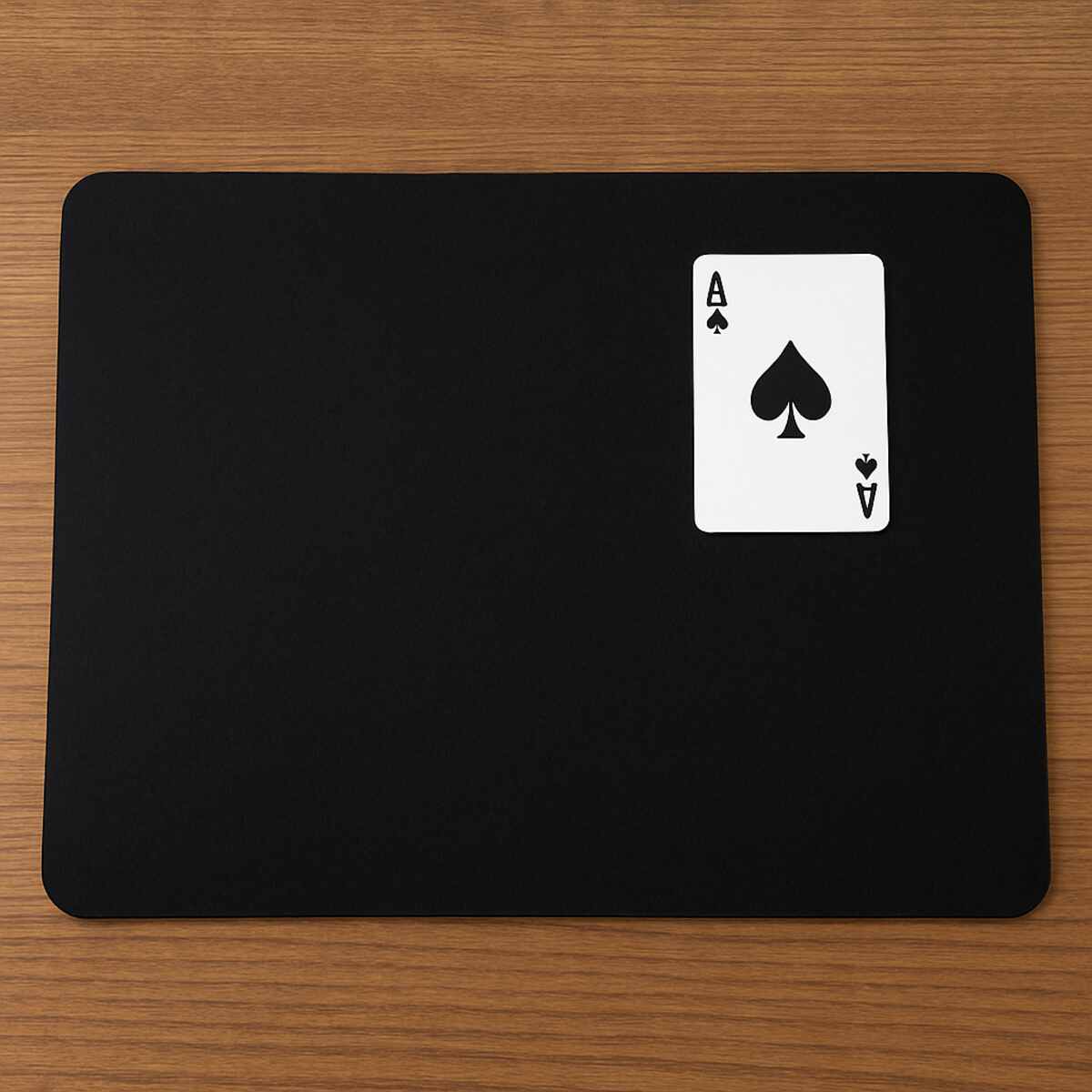
This solution is the card game mat, and if you’ve ever used a computer mousepad, you already understand the concept. Imagine that same material, just bigger—a personal, portable gaming surface made for cards. Often called TCG playmats in hobby circles, their design is brilliantly straightforward. The magic is in its two layers: a soft fabric top allows cards to glide smoothly and makes them easy to lift without damaging edges or artwork. Underneath, a grippy rubber base clings to your table, preventing the whole tabletop mat from shifting during an exciting hand. Together, these parts create a clean, stable, and protected zone for your cards, no matter what you’re playing.
Table of Contents
The #1 Benefit: How a Mat Protects Your Cards from Scratches and Spills
Think about the surface you usually play on. Even a clean kitchen table has a wood grain, tiny imperfections, and unseen bits of dust or grit. Every time you slide, shuffle, or pick up a card on that hard surface, you’re creating microscopic scratches. A card mat solves this by providing a soft, consistent fabric top. This creates a perfect smooth glide surface, much like a felt poker table, that prevents the gradual wear and tear that makes card edges fray and faces look dull over time.
Scratches are one thing, but the real game-night nightmare is a spilled drink. While a mat isn’t a waterproof forcefield, its absorbent material can be a deck-saver. The thick, spongy core—often made of neoprene, the same material used in mousepads—can trap and contain minor spills for a few crucial seconds. This gives you time to snatch your cards away before the liquid spreads, turning a potential disaster into a minor cleanup. For many, this feature alone makes a gaming mat worth it.
This protection is about preserving value, whether that’s financial or sentimental. For anyone protecting trading cards while playing, like a child with a holographic Pokémon card, preventing a single scratch can maintain its collectability. But it’s just as important for that perfectly worn-in deck of playing cards you use for family game night. A simple mat ensures your favorite games can be enjoyed for years to come. Beyond just keeping cards safe, this perfect surface also completely changes how they feel during a game.
The Feel of the Game: Why Cards Are So Much Easier to Handle on a Playmat
We’ve all been there: trying to slide a fingernail under a card on a slick table, only to have it scoot away from you. A card mat completely eliminates this common frustration. The soft, slightly spongy surface has a ‘give’ to it. When you press down near a card’s edge, the mat depresses just enough to lift the card, making it effortless to pick up. This small change makes a huge difference, preventing bent corners and letting you focus on your next move instead of struggling with the playing surface.
This perfect surface also transforms how cards move around. The smooth glide surface allows you to deal cards with a satisfying flick, fan out a hand cleanly, or slide a stack to another player without it catching or flipping over. It provides the ideal balance of grip and slide, so cards stay where you put them but move when you want them to. This level of control makes every action, from shuffling to organizing your play area, feel more fluid and less clumsy, whether your cards are in protective sleeves or not.
This improved tactile feel makes game night more enjoyable. A good tabletop mat reduces the little annoyances that can pull you out of the fun, making the entire experience feel more premium. While often associated with trading card games, the benefit is universal for any game, from Poker to Solitaire. This fantastic combination of a soft touch and smooth glide comes from the specific materials used to construct them.
What Are Game Mats Made Of? A Simple Guide to the Best Materials
If you’ve ever wondered what gives a high-quality mousepad its unique feel, you already know the secret behind most modern card game mats. The vast majority are made from neoprene, a soft, durable synthetic rubber. These mats are built in two layers: a smooth polyester fabric top that allows cards to glide effortlessly, and a textured, non-slip rubber bottom that grips the table firmly. This simple but effective design is the gold standard for a reason.
The reason this “mousepad material” is the best material for a tabletop mat comes down to everyday practicality. Neoprene is remarkably resilient; it won’t easily tear, crease, or lose its shape. Because the surface is a tight-weave fabric, it’s also water-resistant, meaning small spills can be wiped away quickly before they soak in. Best of all, when the game is over, you can simply roll the mat up and store it in a tube or drawer, ready for your next game night.
You might be more familiar with another classic material: felt. Think of the green surface on a traditional poker or billiards table. While felt provides a classic look and is often inexpensive, it has a few drawbacks for general card play. It tends to attract and hold onto dust and crumbs, can form little fuzzballs (a process called “pilling”) with use, and doesn’t offer the same smooth glide for cards that a neoprene surface does.
So, when comparing a modern neoprene vs rubber tabletop mat against a classic one, the choice becomes clear for most players. Here’s a quick breakdown:
- Neoprene: The modern “mousepad” material. It’s durable, water-resistant, provides a super-smooth glide for cards, and rolls up easily for storage.
- Felt: The classic “poker table” material. It has a traditional feel but can pill over time, collects dust, and offers more friction, making cards harder to slide.
For its superior performance and easy maintenance, neoprene is the clear winner for almost any card game. Now that you know what the best mats are made of, let’s figure out how to choose the right size for your games.
How to Choose the Right Size Mat for Your Games
Figuring out the right size for your game mat is much simpler than learning a new game. Most mats fall into one of two categories: personal mats for individual players or large mats designed to cover an entire table. Your choice simply depends on how you play. The most common option you’ll see is the standard single-player mat, which gives you a personal play area that’s roughly 24 inches wide by 14 inches tall (about 60×35 cm). These standard TCG playmat dimensions provide ample room for one person’s cards, whether you’re playing a duel in Pokémon or laying out a game of Solitaire.
For games that bring the whole family or a group of friends to the table, a larger mat is often a better fit. These oversized mats are designed to transform your entire kitchen or dining table into a unified tabletop gaming surface. Instead of each person having their own small mat, everyone shares one large, soft surface. This is perfect for multiplayer card games like Poker or Uno, where cards are played into a central area, as it ensures the entire play space is protected and makes picking up cards easy for everyone.
When choosing the right size playmat, the decision boils down to your primary use. If you need a dedicated space for your own cards in one-on-one games, the standard 24×14 inch mat is a perfect choice. If you’re the host for a regular game night and want to upgrade the feel of your whole table, a larger mat that covers the majority of the surface will deliver a more impressive and practical experience. Once you’ve settled on a size, there are a couple of small quality details to look for that make a big difference in how long your mat will last.
Quality Check: Are Stitched Edges and a Non-Slip Base Worth It?
When you’re browsing different mats, you might notice some have a visible thread sewn around the border. This feature, called a “stitched edge,” is one of the most important signs of a durable, high-quality mat. Think of it like the hem on a pair of jeans; it prevents the soft fabric top from peeling away from the rubber bottom over time. Without this reinforcement, the edges can begin to fray and curl after being rolled up and unrolled repeatedly. A stitched edge ensures your mat stays flat, looks clean, and withstands years of game nights.
Just as crucial as the edges is the part of the mat you’ll rarely see: its underside. The best mats always feature a non-slip rubber base for stability, which gives them a familiar, slightly grippy texture, much like a computer mousepad. This rubber backing is essential because it keeps the mat firmly planted on your table. It prevents the frustrating experience of the entire playing surface sliding around when someone excitedly reaches for a card or accidentally bumps the table. This stability ensures your game stays organized and your cards stay put.
Stitched edges and a non-slip base aren’t luxury add-ons; they are the core components that make a mat a reliable, long-lasting piece of equipment. While you can find cheaper mats without them, these two features are the clearest indicators that you’re getting a product that will protect your cards and improve your games for years to come. With these practical quality checks out of the way, you can focus on the fun part: choosing a look.
More Than a Mat: The Fun of Custom Artwork and Personalized Photos
While a plain black mat does the job perfectly, the real fun begins when you realize the surface can be a canvas for anything you can imagine. The soft fabric top isn’t just for protecting cards; it’s the perfect backdrop for vibrant, full-color images. Using a special heat-printing process, manufacturers can infuse any design directly into the fabric. This means the image isn’t a sticker that will crack or peel—the artwork becomes a permanent, durable part of the mat itself.
This opens up a world of possibilities for making your game night truly your own. For a dedicated enthusiast, custom artwork on a gaming surface is a great way to showcase a favorite character or a stunning fantasy landscape. But the options are limitless. You could create a personalized photo gaming mat with a collage of family pictures for your weekly card games or design one with your friend’s dog for a hilarious and thoughtful birthday gift. It’s a fantastic way to express your personality or celebrate a shared interest.
Choosing a design transforms a simple accessory into a centerpiece for your table. A mat with a dragon might make your fantasy game feel more epic, while a picture of a favorite vacation spot can bring a relaxed vibe to a casual game of Solitaire. A beautiful mat makes the experience more immersive and personal. Of course, once you have this great-looking surface—especially if snacks are nearby—you’ll want to know how to keep it pristine.
How to Clean Your Gaming Mat After a Snack or Spill
It’s bound to happen: a game night gets exciting, an arm gets bumped, and suddenly there’s a drop of soda on your beautiful new mat. Don’t panic! The durable fabric top and neoprene rubber core of most mats are surprisingly easy to clean. The key is to act quickly with a gentle approach, and you can usually erase any evidence of a spill.
For most minor messes, a quick spot-clean is all you need. Follow this simple process for how to clean a gaming playmat using basic household items:
- Blot, Don’t Rub: Immediately press a clean paper towel or cloth onto the spill. This will absorb as much of the liquid as possible without spreading it further into the fabric.
- Use Mild Soap: Mix a single drop of mild dish soap with a bit of cool water. Dampen a soft cloth (like a microfiber towel) in the soapy water and gently dab the stained area.
- Rinse and Air Dry: Rinse your cloth with plain water and wipe away any soap residue from the mat. Finally, lay the mat flat and let it air dry completely before rolling it up for storage.
One very important rule is to avoid the washing machine and dryer. While it might seem like an easy fix, the intense spinning and high heat can damage the mat’s non-slip rubber backing or cause the fabric top to separate from the base. Harsh chemicals and abrasive cleaners are also off-limits, as they can fade the artwork. Sticking to a gentle, by-hand method will keep your mat in perfect shape.
Keeping Your Mat Safe: Simple Storage and Transport Solutions
Once your mat is clean and dry, how you put it away is the final step to keeping it in great shape. The best method is to roll it up, but there’s a specific trick to it. Always roll your mat with the soft, printed artwork facing outward. While it might feel counterintuitive, this simple technique trains the mat to lie perfectly flat the next time you unroll it, preventing those annoying curled edges that can get in the way of your cards.
For an extra layer of protection, consider a storage tube. These are essentially simple, sturdy plastic cylinders designed to hold a rolled-up mat, and they are the best playmat storage and transport solutions available. A tube shields your mat from dust, accidental spills in a closet, or getting crushed in a backpack on your way to a friend’s house. It’s an inexpensive accessory that acts like a suit of armor for your mat, ensuring the surface and art stay pristine.
Taking these small steps—rolling it correctly and using a tube—dramatically extends the life of your mat. This simple care routine ensures all kinds of mats, from simple designs for family poker night to vibrant Trading Card Game playmats, stay in great condition for years of play. But if you’re still on the fence about buying one, you might be wondering if you can create your own.
What About a DIY Gaming Surface? A Quick Reality Check
With all this talk of special materials, you might be thinking, “Can’t I just make my own gaming surface?” It’s a great question, and for a quick fix, the answer is yes. Many people immediately think of a simple solution they’ve seen used for everything from poker nights to craft projects: a simple piece of fabric.
The most common approach for a DIY tabletop gaming surface is to use a large cut of felt. While this is certainly better than a bare, slippery table, the experience often falls short. Felt tends to slide around, can get fuzzy with repeated shuffling (a process called “pilling”), and lacks the satisfying cushion that makes picking up cards so effortless. It’s a step up, but it’s not the best material for a tabletop mat if you’re looking for durability and smooth play.
When you weigh the cost of materials and the less-than-perfect result, a professionally made mat often provides far better value. For just a bit more than a DIY project, you get a purpose-built tool that won’t slip, won’t fray at the edges, and provides a perfect surface designed to last for hundreds of game nights. It boils down to a simple trade-off between a temporary fix and a permanent upgrade for your hobby.
Is a Card Game Mat Worth It? A Final Checklist
A card game mat is a simple tool that solves the common frustrations of playing cards on any old table. By providing a soft surface, it offers essential protection, makes cards easier to handle, and adds a touch of personal style. Choosing the right size and features comes down to how you play.
Ask Yourself These 3 Questions:
- Do I play card games more than a few times a year?
- Do I care about keeping my cards (or my kids’ cards) in good condition? This is one of the key essentials for a trading card game player.
- Would I enjoy a smoother, more organized, and professional-feeling game night?
If you answered “yes” to any of these, a mat is a fantastic and affordable investment.
A card game mat isn’t about becoming a professional player; it’s about elevating the experience you already enjoy. Whether it’s for weekly poker, family game night with Uno, or protecting a growing collection, a playmat is one of the simplest ways to make every game a little bit better. It’s a simple upgrade that creates a better space for the fun to happen.
